Laboratory Equipment Details
Complete information about this device
Device Gallery
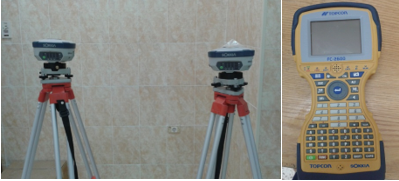
Available
Reservations
0Views
702Overall service quality rating
0/5
Information about devices and laboratories is clear and updated
0/5
The device search interface is effective
0/5
Steps to request the use of a device are clear
0/5
Devices are in good working condition
0/5
Contributes to obtaining accurate research results
0/5
Devices are available at the required times
0/5
Response to inquiries in a timely manner
0/5
Technical support is qualified
0/5
Contributed to the completion of research
0/5
Recommend your colleagues to use the service
0/5
Device Information
Device Name
GPS Differential GRX2
Model
SOKKIA GRX2
Units Available
1
Manufacture Year
2020
Manufacturer Website
Description
The device is the latest production of the Japanese company SOKKIA - The receiver of the GNSS dual-frequency device L1, L2 and the signal receiver Code & Carrier. - The device receives WASS / EGNSS signals - The number of channels is not less than 200 channels - The device is equipped with Bluetooth to deal with the control unit - The device is equipped with an antenna Built-in with the receiver - The receiver is equipped with an SD card for meteorological recording with a capacity of 16 GB and an internal memory of 8 GB in the receiver, in addition to the memory of the control unit - The device withstands temperatures of at least 60˚C and humidity up to 100% The device is shock-resistant and withstands Fall from heights of up to 2 metres.
Services & Pricing
| Service | Cost |
|---|---|
| The device can work and record observations without the need for a control unit in the case of fixed monitoring. | 1000 EGP |
| The device is equipped with a one-watt radio for the transmitter and receiver for monitoring purposes by the RTK system. | 1000 EGP |
| The device can output NMEA messages. | 1000 EGP |
| The device is equipped with a screen to see the status of satellites | 1000 EGP |
Additional Information
The GRX2 supports multiple GNSS constellations (GPS, GLONASS, Galileo depending on configuration), robust signal tracking, and long-range RTK communication. It typically includes a base station and rover receiver setup with radio or cellular data links.